
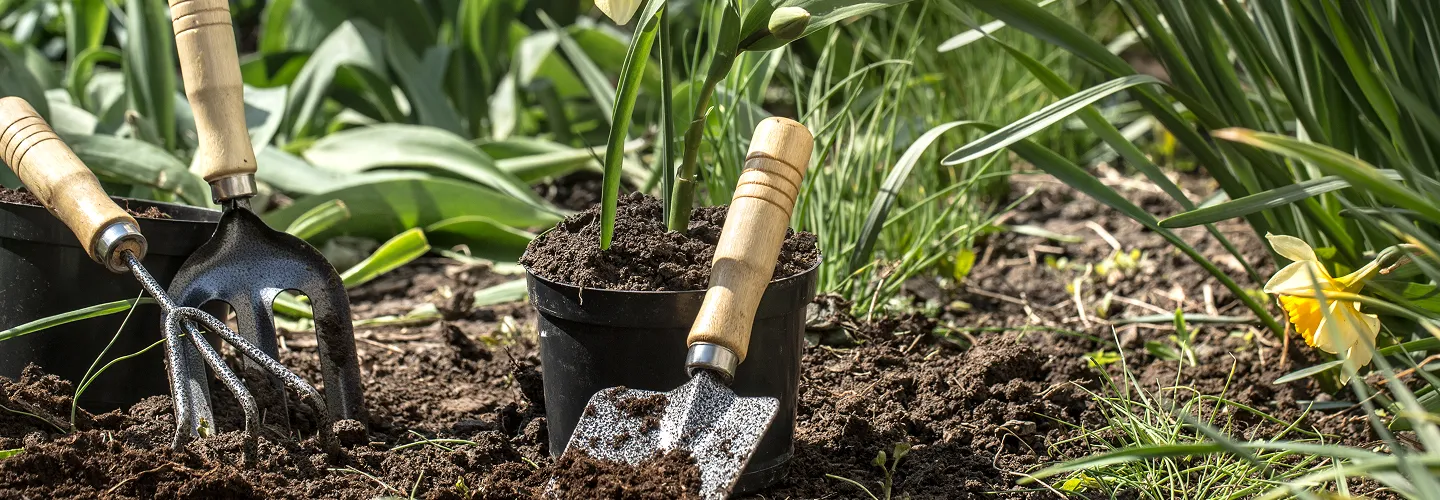
Sugar Hill Weeding Services
Choose our expert weeding services for a healthier, more vibrant landscape—our experienced team ensures your garden stays weed-free, letting your plants thrive and your yard look its best all season long.
Get a Free QuoteOur Sugar Hill Landscaping & Yard Care Services
When to Schedule Weeding in Sugar Hill, Georgia – Seasonal Guide
In Sugar Hill, Georgia, the timing of weeding is crucial for maintaining healthy, attractive landscapes throughout the year. Thanks to our region’s humid subtropical climate, with warm springs and hot, often rainy summers, weeds can thrive if not managed proactively. The optimal periods for weeding are early spring—just after the last frost date—and late summer, when weed growth tends to surge. Neighborhoods near Gary Pirkle Park and along Level Creek Road often see early weed emergence due to rich, loamy soils and ample shade from mature trees.
Local environmental factors play a significant role in determining the best weeding schedule. For example, areas with dense tree coverage, such as those near Sugar Hill Golf Club, may require more frequent attention due to increased shade and moisture retention. Soil type, humidity, and the risk of summer droughts also influence weed growth patterns. Homeowners should also be aware of any municipal guidelines or seasonal restrictions, which can be found on the official city website, to ensure compliance and optimal results.
Local Factors to Consider for Weeding in Sugar Hill
- Tree density and shade coverage
- Soil type (loamy, clay, or sandy)
- Seasonal precipitation and drought risk
- Proximity to local landmarks or water features
- Municipal restrictions or neighborhood association guidelines
- Terrain slope and drainage patterns
Benefits of Weeding in Sugar Hill
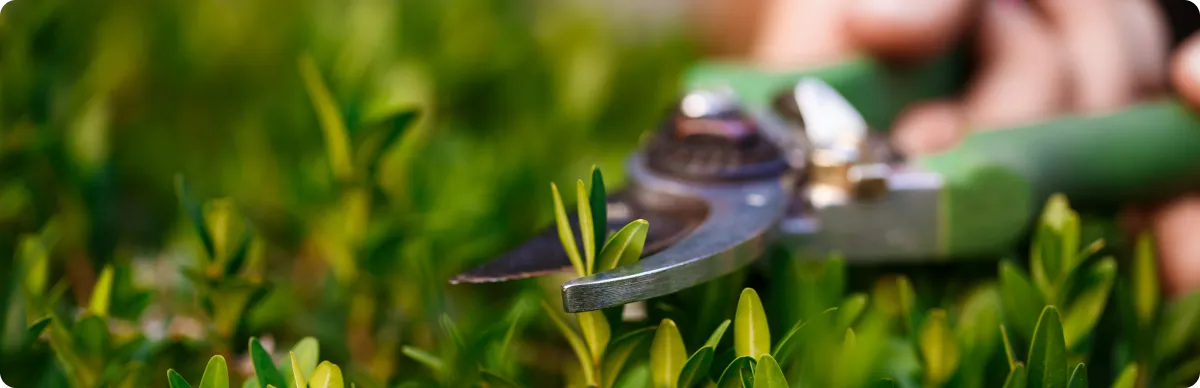
Enhanced Curb Appeal
Healthier Plant Growth
Reduced Pest Infestation
Improved Soil Quality
Professional and Reliable Service
Time and Effort Savings
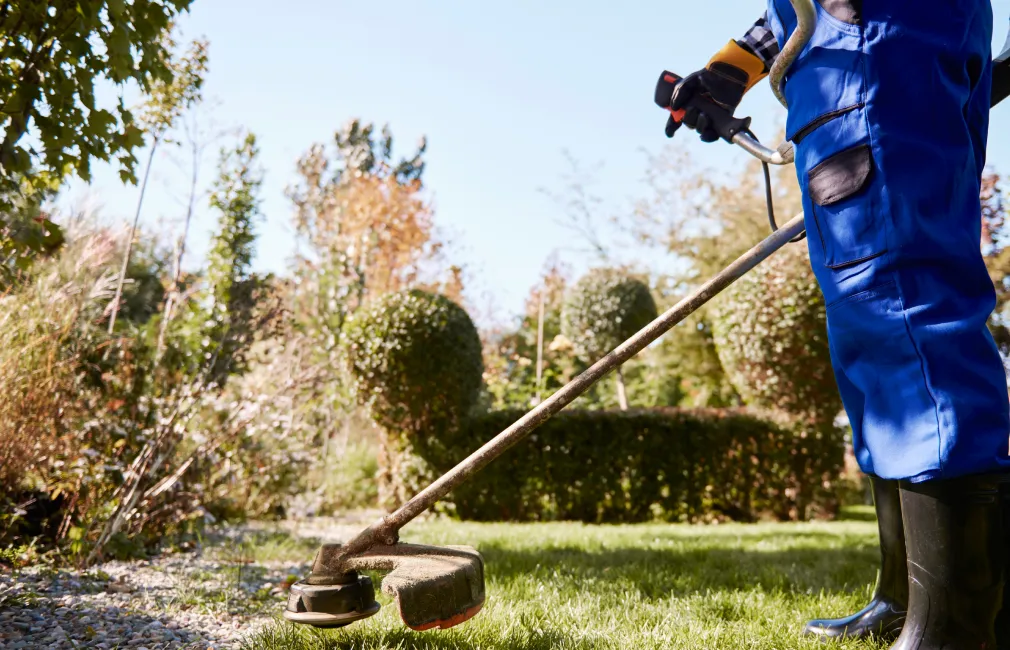
Sugar Hill Weeding Types

Hand Weeding
-
Mechanical Weeding
-
Mulching for Weed Control
-
Pre-Emergent Herbicide Application
-
Post-Emergent Herbicide Application
-
Flame Weeding
-
Organic Weed Management
Our Weeding Process
Site Evaluation
Weed Identification
Targeted Removal
Soil Treatment
Final Inspection
Why Choose Sugar Hill Landscape Services
-
Sugar Hill Homeowners Trust Us
-
Expert Lawn Maintenance
-
Reliable Scheduling
-
Competitive Pricing
-
Professional Team
-
Satisfaction Guarantee
-
Personalized Service
Weed Pressure in Sugar Hill's Piedmont Red Clay Beds and Lawn Edges
Sugar Hill, Georgia sits within USDA Hardiness Zone 7b, where warm, humid summers and mild winters create persistent weed pressure across residential and commercial properties. The city's predominant soils are Cecil and Appling series — dense, acidic Piedmont red clay with limited drainage capacity. These compacted clay soils slow water infiltration, creating moist surface conditions that favor broadleaf weeds such as chickweed, henbit, and wild violet in late winter, and crabgrass, spurge, and nutsedge throughout summer. According to the USDA Web Soil Survey, Cecil series soils in Gwinnett County typically have a pH range of 4.5–5.5, which can weaken desirable turf and allow opportunistic weeds to establish more readily. Property owners should:
- Test soil pH annually and amend with lime when pH falls below 6.0 for warm-season turf
- Avoid overwatering, which exacerbates clay surface saturation and weed germination
- Dethatch and aerate compacted beds in early spring to reduce weed-favorable conditions
- Consult UGA Cooperative Extension for soil amendment and weed identification guidance specific to Piedmont Georgia
Optimal Weeding Timing for Sugar Hill's Long Warm-Season Growth Window
Sugar Hill's climate, monitored by the National Weather Service Atlanta forecast office, features an average last frost around mid-March and a first fall frost typically in mid-November, yielding a growing season of approximately 240 days. This extended warm period supports multiple weed flush cycles annually. Effective weeding management requires timing interventions to coincide with weed vulnerability stages:
- Late February–March: Target winter annuals (henbit, chickweed, hairy bittercress) before seed set; hand-pull or hoe when soil is moist but not saturated
- April–May: Apply pre-emergent barriers to turf edges and planting beds before soil temperatures reach 55°F at 4-inch depth, which triggers crabgrass germination
- June–August: Conduct weekly inspections for nutsedge, spurge, and bindweed; remove before flowering to prevent seed dispersal
- September–October: Address cool-season weed seedlings establishing in thin turf areas before winter dormancy
Consistent removal before seed set is the most effective long-term strategy for reducing weed populations in Sugar Hill landscapes.
Protecting Sugar Hill Stormwater Infrastructure During Weeding Operations
Weeding activities that disturb soil — including hand cultivation, hoeing, and bed edging — can generate loose organic debris and fine sediment that migrate toward storm drains, roadside ditches, and detention features during rainfall events. Sugar Hill's Stormwater Management program, administered through the Public Works Department, oversees drainage infrastructure maintenance and water quality protection throughout the city. Property owners and landscape managers should observe the following practices to remain in compliance with local stormwater standards and the federal Clean Water Act:
- Collect and bag all pulled weeds and root debris immediately; do not leave piles adjacent to curbs, gutters, or drainage inlets
- Avoid weeding within 10 feet of storm drain inlets during or immediately before forecasted rain events
- Stabilize any disturbed soil in planting beds with mulch (2–3 inches) following weeding to prevent erosion
- Do not blow or wash weed debris into street gutters or drainage channels
The Georgia EPD Watershed Protection Branch provides additional guidance on residential practices that affect local water quality.
Sugar Hill Stormwater Management
5039 West Broad Street, Sugar Hill, GA 30518
Official Website: Sugar Hill Stormwater Management
Sugar Hill Code Enforcement Standards for Overgrown Vegetation and Nuisance Weeds
Sugar Hill's Code Enforcement division, operating under the Planning & Development Department, enforces property maintenance standards that include requirements for controlling overgrown vegetation, tall grass, and nuisance weeds on residential and commercial parcels. Properties with unmanaged weed growth that creates visual blight, harbors pests, or encroaches on neighboring lots or public rights-of-way may be subject to violation notices. Key compliance considerations include:
- Grass and weeds in maintained areas are generally required to be kept below 12 inches in height; verify current thresholds directly with Code Enforcement
- Invasive species such as kudzu, Japanese honeysuckle, and privet — documented by UGA Extension's Invasive Species program as problematic throughout Piedmont Georgia — may require more aggressive removal protocols
- Vacant lots and properties undergoing development are subject to the same vegetation maintenance standards as occupied parcels
- Frontage areas along public streets and sidewalks must be maintained free of obstructive or encroaching weed growth
Sugar Hill Code Enforcement
5039 West Broad Street, Sugar Hill, GA 30518
Official Website: Sugar Hill Code Enforcement
Georgia Pesticide Licensing Requirements for Herbicide Use in Weeding Programs
When weeding programs involve the application of herbicides — including pre-emergent granular products, post-emergent liquid sprays, or systemic treatments — Georgia law imposes specific licensing requirements on commercial applicators. Under the Georgia Pesticide Use and Application Act of 1976, any person applying restricted-use pesticides for hire must hold a valid license issued by the Georgia Department of Agriculture. Property owners applying general-use herbicides on their own property are not required to hold a license, but must follow all label directions, which carry the force of federal law. Practical compliance steps include:
- Verify that any hired landscape professional holds a current Georgia pesticide applicator license before authorizing herbicide treatments
- Select herbicide products labeled specifically for the target weed species and the turf or bed type present on the property
- Avoid applying herbicides within established buffer distances from water features, storm drains, or drainage swales
- Store and dispose of unused herbicide products in accordance with label instructions and local hazardous waste guidelines
Georgia Department of Agriculture – Pesticide Licensing
19 Martin Luther King Jr. Drive SW, Atlanta, GA 30334
Official Website: Georgia Department of Agriculture – Licensing and Certification
What Neighborhoods Do We Serve Throughout Sugar Hill, GA?
Weeding services are provided across Sugar Hill's diverse residential and mixed-use neighborhoods, each presenting distinct site conditions that influence weed pressure, soil behavior, and maintenance requirements:
- Laurel Springs: A well-established subdivision with mature tree canopy and shaded bed areas where shade-tolerant weeds such as wild violet and ground ivy are common; dense clay soils require consistent bed cultivation.
- Chattahoochee Reserve: Located near the Chattahoochee River corridor, this area features wooded lot edges and moist low-lying zones that support aggressive weed and invasive vine establishment, including privet and Japanese honeysuckle.
- Sugar Hill Golf Club Area: Open, sun-exposed lots with warm-season turf subject to heavy crabgrass and nutsedge pressure during summer months; pre-emergent timing is critical in this area.
- Harmony on the Lakes: Newer subdivision with fill soils and detention pond adjacency; disturbed fill profiles can harbor persistent broadleaf weeds and require ongoing bed management.
- Downtown Sugar Hill / E. Broad Street Corridor: Mixed residential and commercial frontages where right-of-way weed maintenance intersects with city code compliance requirements.
- Sycamore Ridge: Established neighborhood with sloped lots and red clay drainage challenges; weed establishment in eroded slope areas is a recurring maintenance concern requiring both removal and soil stabilization.